SILVERVOICETEACHER
silvervoiceandlanguages@gmail.com

My Vocal Philosophy/ Thomas Silverberg
For over four decades, I have been singing professionally, first in the United States, then for a longer period in the opera houses, concert halls, cathedrals, and churches of Europe. During this time I have worked with singing artists and musicians from nearly every country in the world, nearly every linguistic area, and nearly every culture. During my time at the Oberlin College Conservatory of music, I was fortunate to have been able to work extensively with my late mentor Richard Miller, who provided me with the tools I needed as a singer to further develop, vocally and artistically. His keen analytical mind as well as strict adherence to the basic principles of the old Italian school (scuola antica) helped me to form a solid basis to which I attribute my own vocal longevity. Over a period of many years, he was a valuable resource to me when I had questions regarding my own teaching, always willing to listen and provide suggestions. Further vocal studies with Jesus Quinones Ledesma and Nicolai Gedda helped me to cement a firm technical basis which has served me well for many years, combined with classes and a number of longer conversations with many top artists, all of whom sang extremely well.
In terms of the 'limited voice', EVERY voice is limited in some way. My experience over the years is that the voice will let one know if one is singing something unsuited to their current state of development or vocal category.
In terms of teaching style, I always try to concentrate on basic Italianate principles, I strive to find language and imagery which the student can relate to and digest. More often than not, it is a question of language and suggestion used which can make a difference. Each student is different, has had different experiences, and responds differently to suggestion. I prefer to avoid a totally mechanical approach, as I feel a totally mechanical approach produces a mechanical singing artist. If a voice loses its humanity, I no longer recognize the particular artist, nor am I able to absorb what the artist is attempting to communicate. The understanding of language, different vowel colors in different languages, and the different flow of different tongues are not to be underestimated.
I find it wise to look at singing as a 'whole body experience' of muscular coordination, following the basic rules of natural physical function, not unlike light athletics, avoiding local tensions which can migrate and cause vocal as well as bodily rigidity. Almost as in yoga, many singing sensations can be achieved by the mind, even before the onset of tone. Mind/Intent first, tone second.
A basic understanding of anatomy is also helpful, so that one can better understand the breathing apparatus, having total control over the flow of air to sing optimally and as effortlessly as possible.
An ideal tone should find its way forward, unencumbered, to create the desired bright/dark vibrant tonal balance. If one sings without local tension or blockage, the voice should come forward of its own accord.
As a teacher of voice, I feel it is my duty to provide the student with the tools they need to develop further (as we never really stop developing as singers), to help them find their own way, be inquisitive, and to find their personal 'vocal truth'. Hopefully, after a period of time, they will find that they have outgrown me and move on in their careers. I feel that I am like a tour guide in a museum. I show the visitor everything, and they take it in as they can. Although quite focused as a teacher, I find that keeping my good humor is effective in keeping a student relaxed, as I tend to hold the same high artistic standards for a student as I always have for myself. The road to being a successful singer is not always fast or easy, and requires hard work and diligence on the part of the student of singing as well as on the part of the teacher. I view a teacher/student relationship as one of friendly respectful support, and find it of utmost importance that teachers commit themselves to observing the student in a performance atmosphere if possible.
-----------------------------------------------------------------------------------------------------------
EDUCATION
Public Schools Concord Concord, MA
High School Concord Concord, MA
Oberlin Conservatory of Music Oberlin, OH
Indiana University (Opera School) Bloomington, IN
Hartt College of Music Hartford, CT
Bachelor of Music in Voice/Pedagogy, Oberlin Conservatory of Music
-Student of Richard Miller-
LANGUAGES
· Englisch (Native)
· German (fluent)
· Italian (good)
· French (good)
ADDITIONAL STUDIES
Study & Master Classes with Giuseppe DiStefano, Nicolai Gedda, Franco Corelli, Giuseppe Campora, Gianni Raimondi, Hermann Prey, Gerhard Hüsch, Linda Baer, Paul Matthen, Walter Cassel, Richard Miller, Jesus Quinones Ledesma, Léopold Simoneau
PERFORMING/TEACHING EXPERIENCE
Vocal instructor of voice minors- Oberlin College Conservatory Of Music
Teacher of Singing- Hartford Conservatory, Hartford, CT (U.S.A.)
Maintained a private vocal studio in Salzburg, Austria and in Munich Germany
Guest teacher of singing- Abraxas Musical Academy, Munich, Germany
Maintained a private vocal studio in Zürich, Switzerland, 2018/present
Tenor soloist- Center Church, Hartford, CT (U.S.A.)
Resident Artist- Ct. Opera, Hartford, CT, (U.S.A.)
Winner, Connecticut Opera Association Vocal Competition
Over 120 Roles as Lyric Tenor, in Salzburg, Munich, Frankfurt a.M., Germany, New York (City Opera), Dallas TX, Hartford and Stamford, CT, Boston MA, Palm Beach FL, Binghamton, NY, Caracas, Venezuela, Zürich, Switzerland
Soloist- Salzburg Cathedral, Austria
Numerous concerts in the U.S.A, Germany , Switzerland , France , Japan , Italy , Czech Republic , Austria
American Premiere of Zimmerman’s ‚Die Soldaten’- Boston. MA
Carnegie Hall debut as tenor soloist in ‚King David’ of Honegger
Premiere of the children’s’ opera ‚The Ransom of Red Chief’- Dallas TX
Concert Season- Metropolitan Museum of Art, N.Y.C.
Premiere of the opera ‚Americana’ of Neely Bruce, N.Y.C.
Ensemble member of the Salzburger Landestheater, Austria
Tenor soloist during mass celebrated by Pope John Paul ll- Salzburg, Austria
CD Recordings- ‚Coronation Mass’ of Mozart- Salzburger Dommusik, Passauer Dommusik
Numerous Television and Radio Broadcasts in the U.S.A. , Germany , and in Austria
Ensemble Member- Bavarian State Opera, Munich. Germany
Premieres of Childrens Operas 'Die Schatzinsel' and 'Das Gespenst von Canterville', Opera House Zürich
Guest Engagements- Städtische Büehnen Frankfurt, Theater Bonn, Staatstheater Nürnberg, Württembergisches Staatstheater Stuttgart, Aalto Theater Essen, Staatstheater Karlsruhe, Opernhaus Zürich
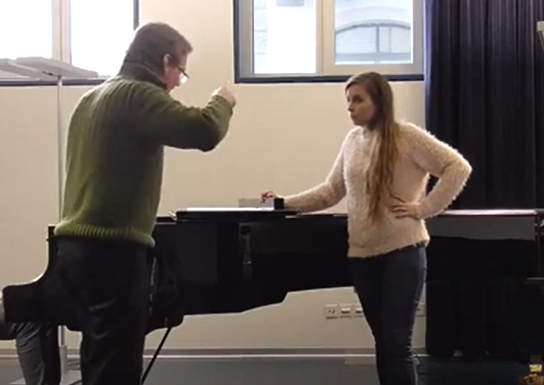
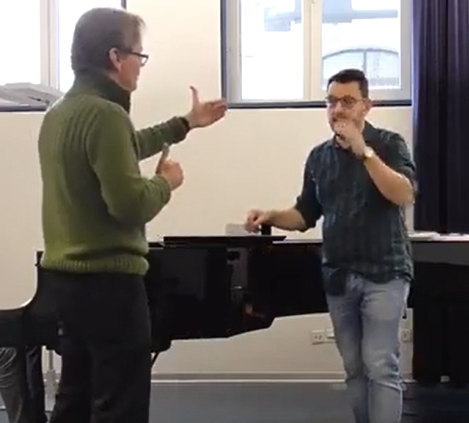
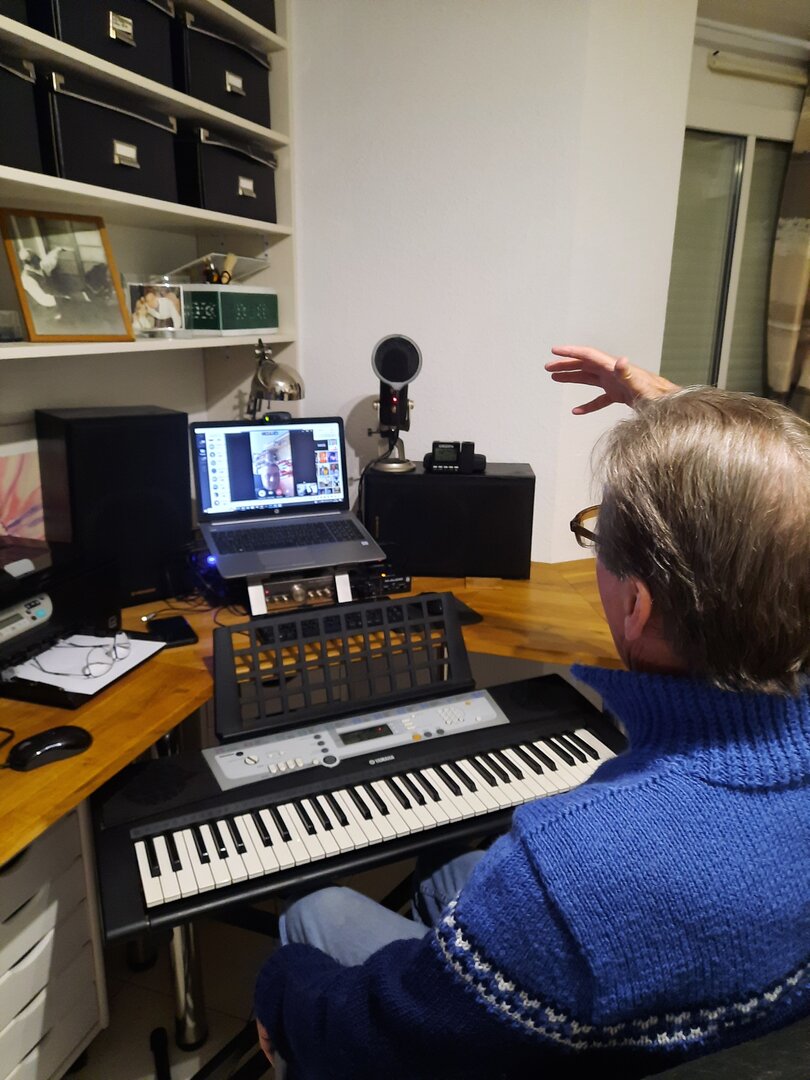
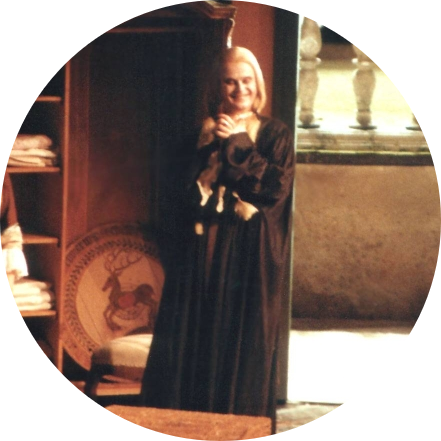
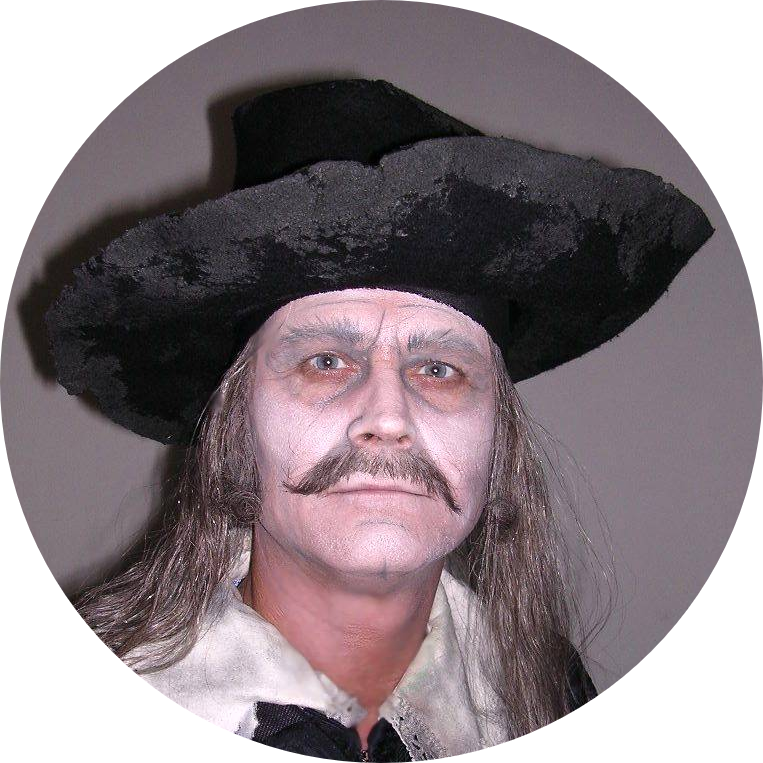
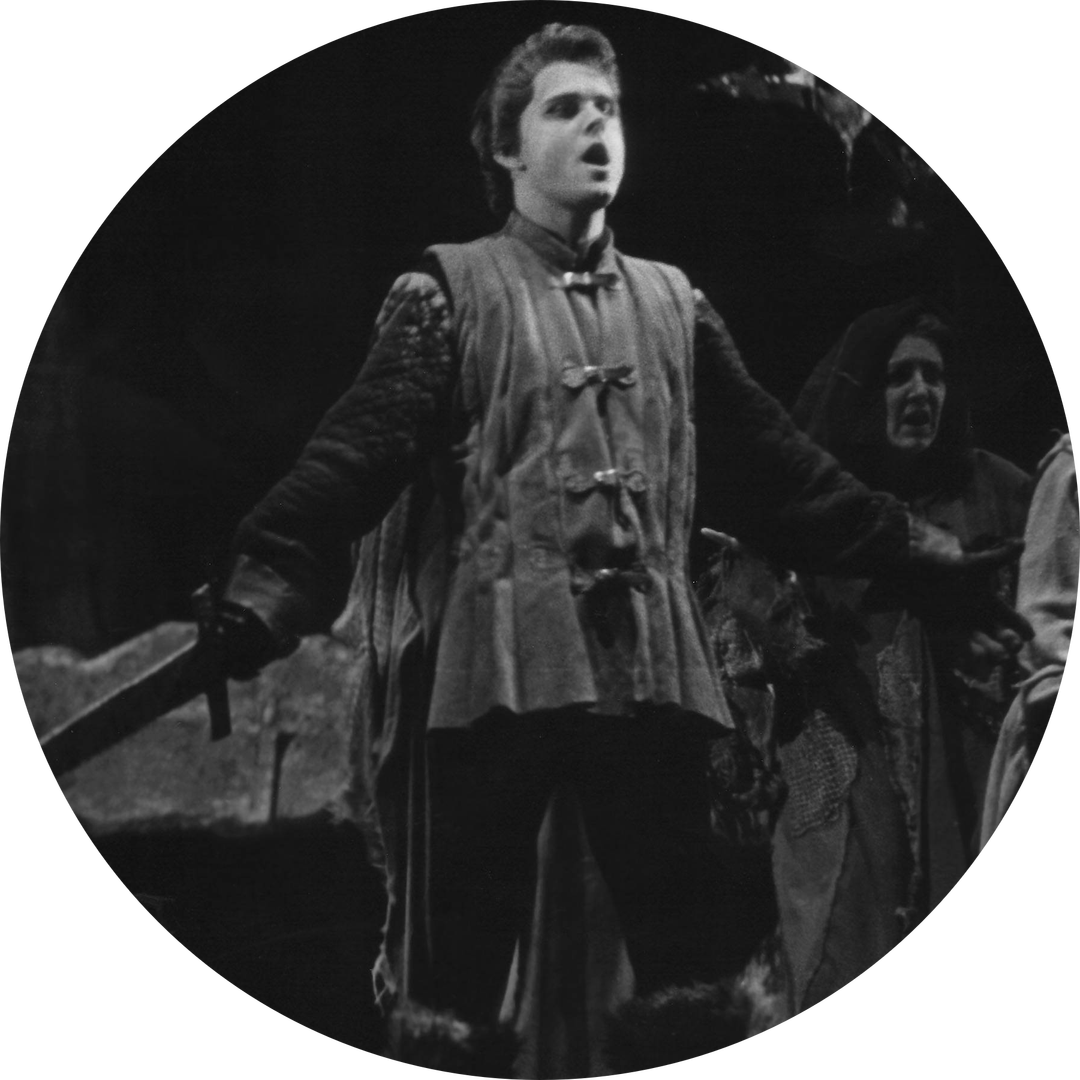
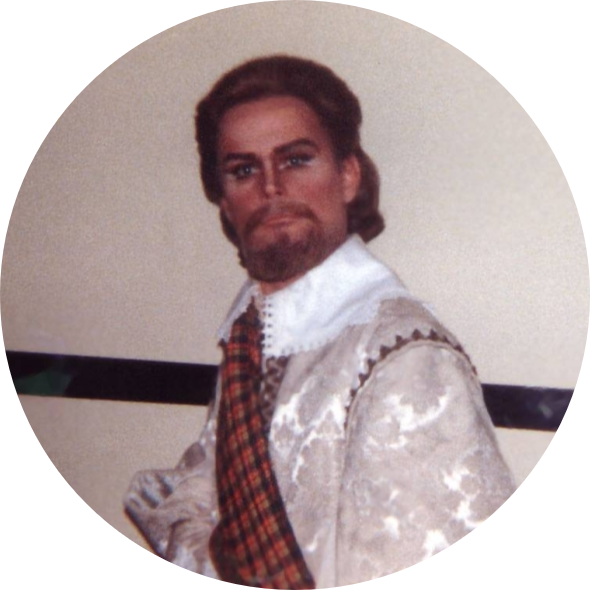
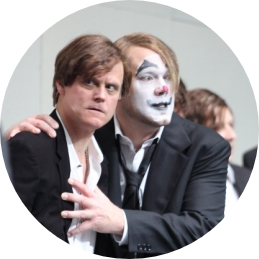
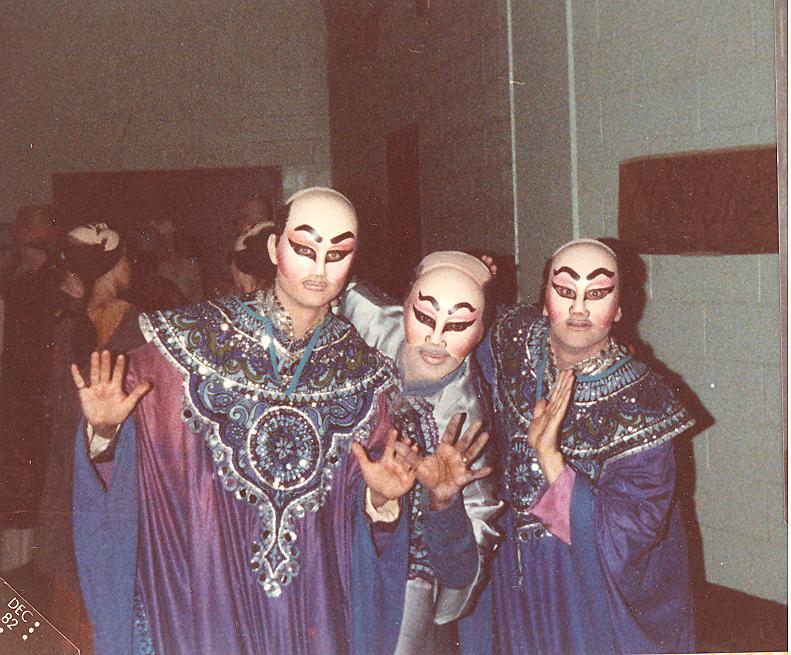
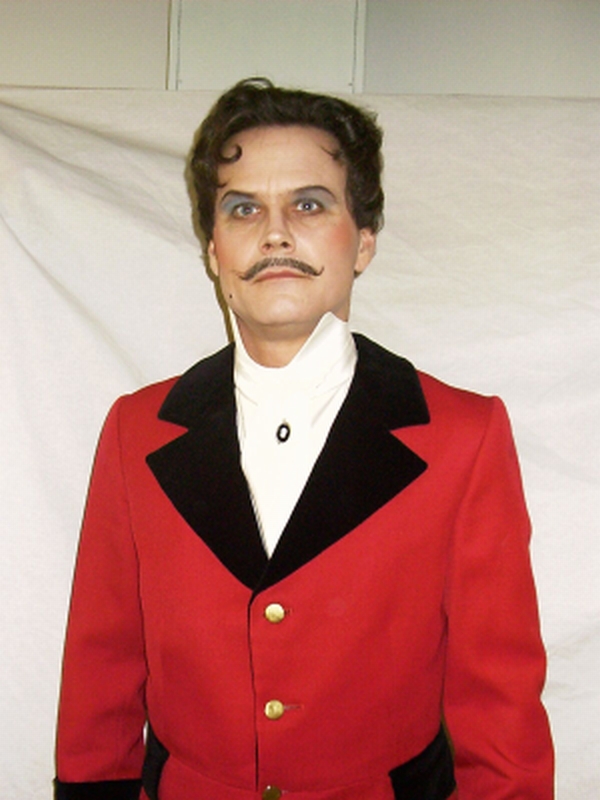
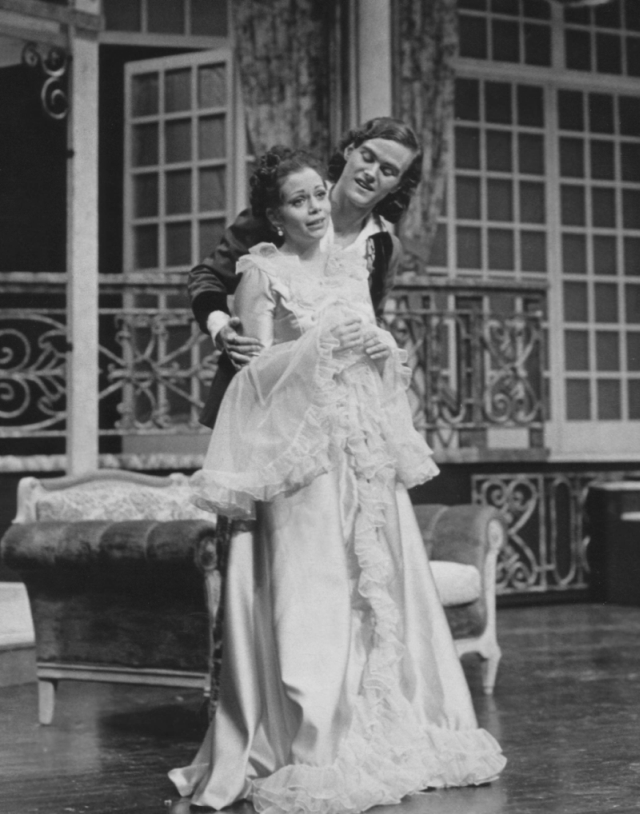
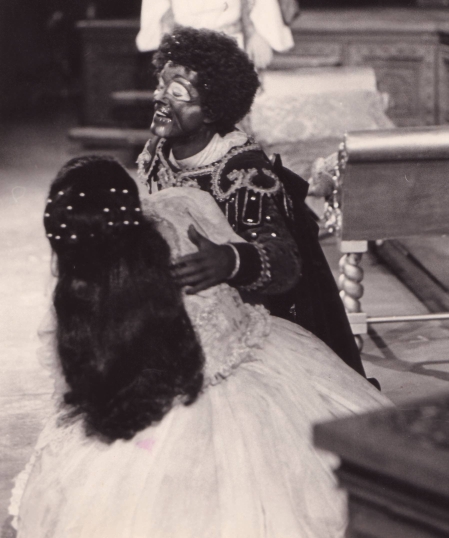
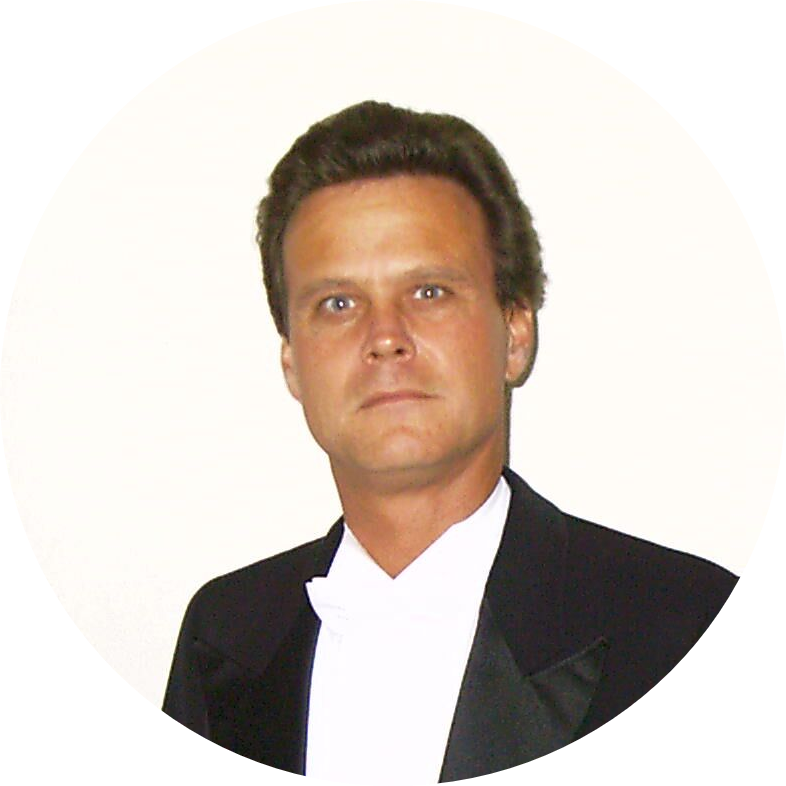
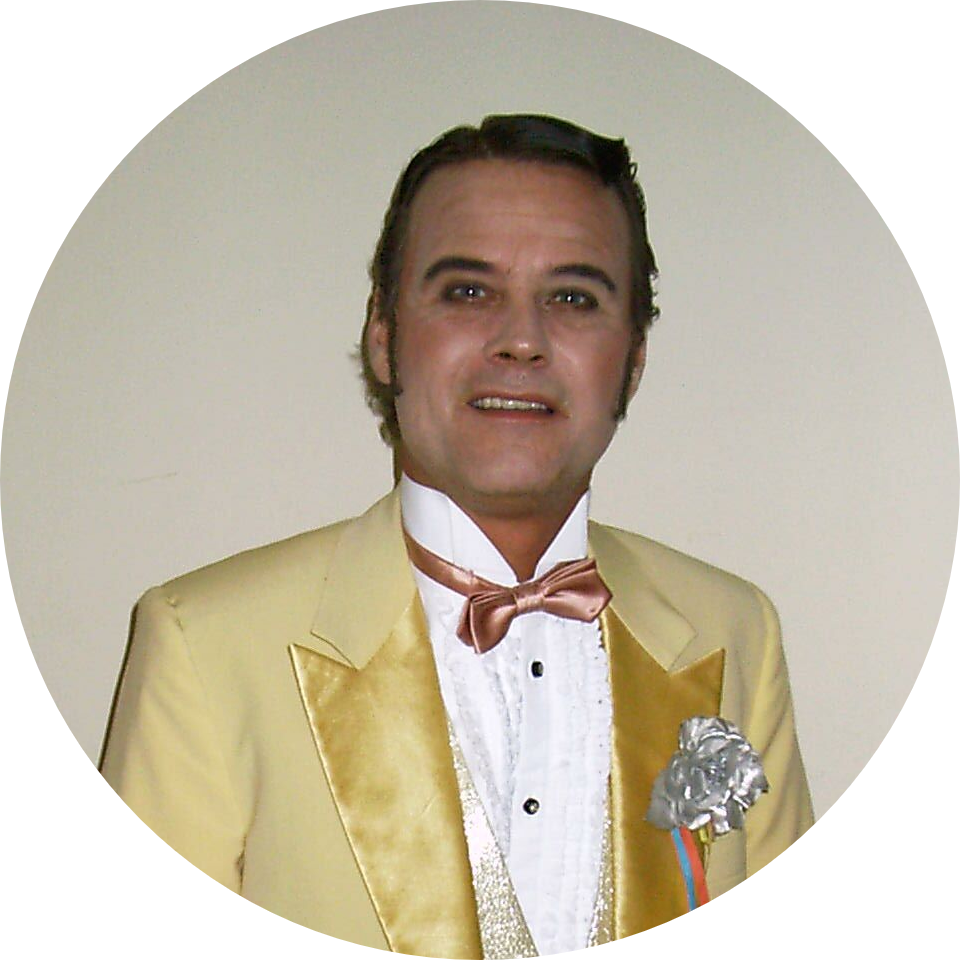
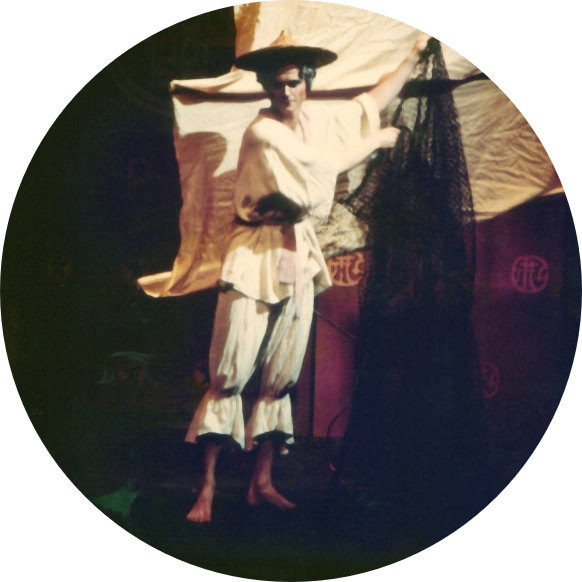
Photo Gallery

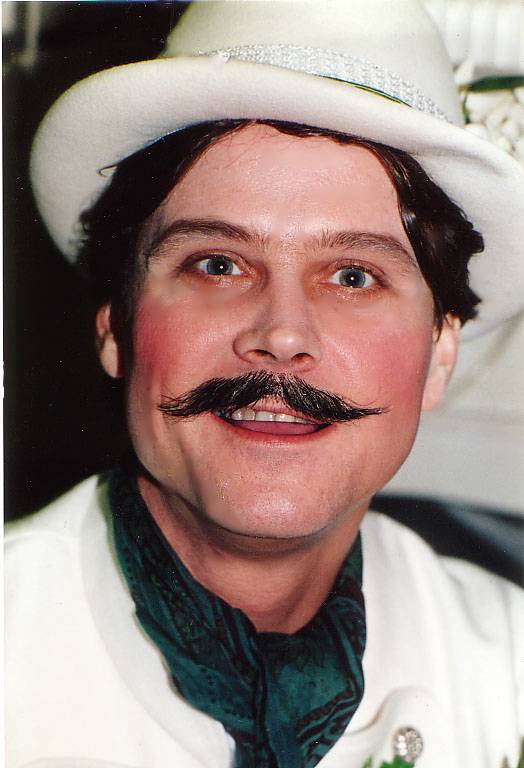
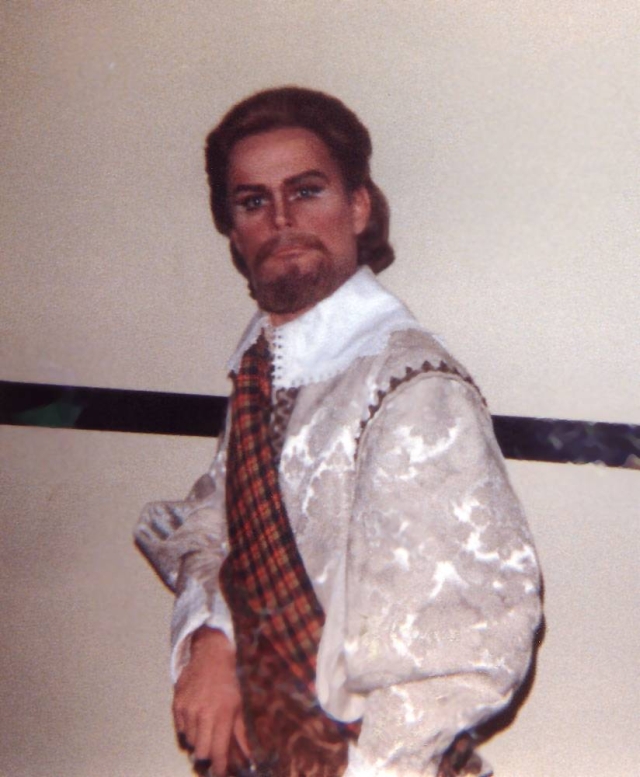
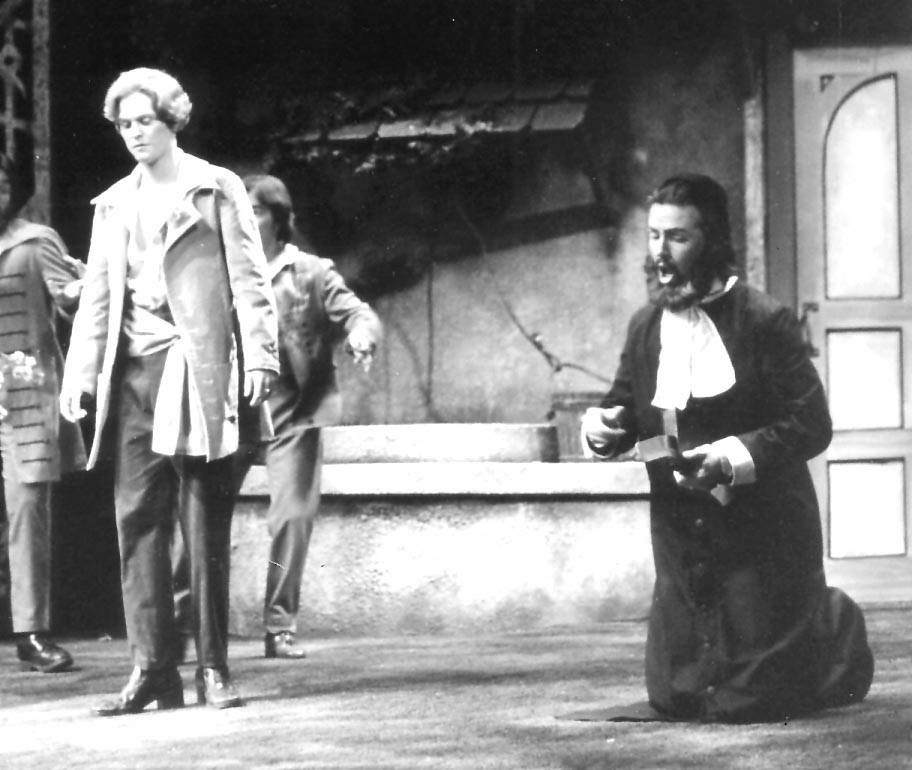
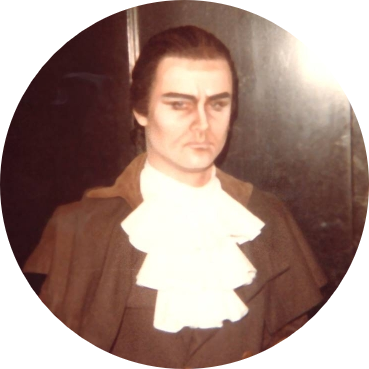
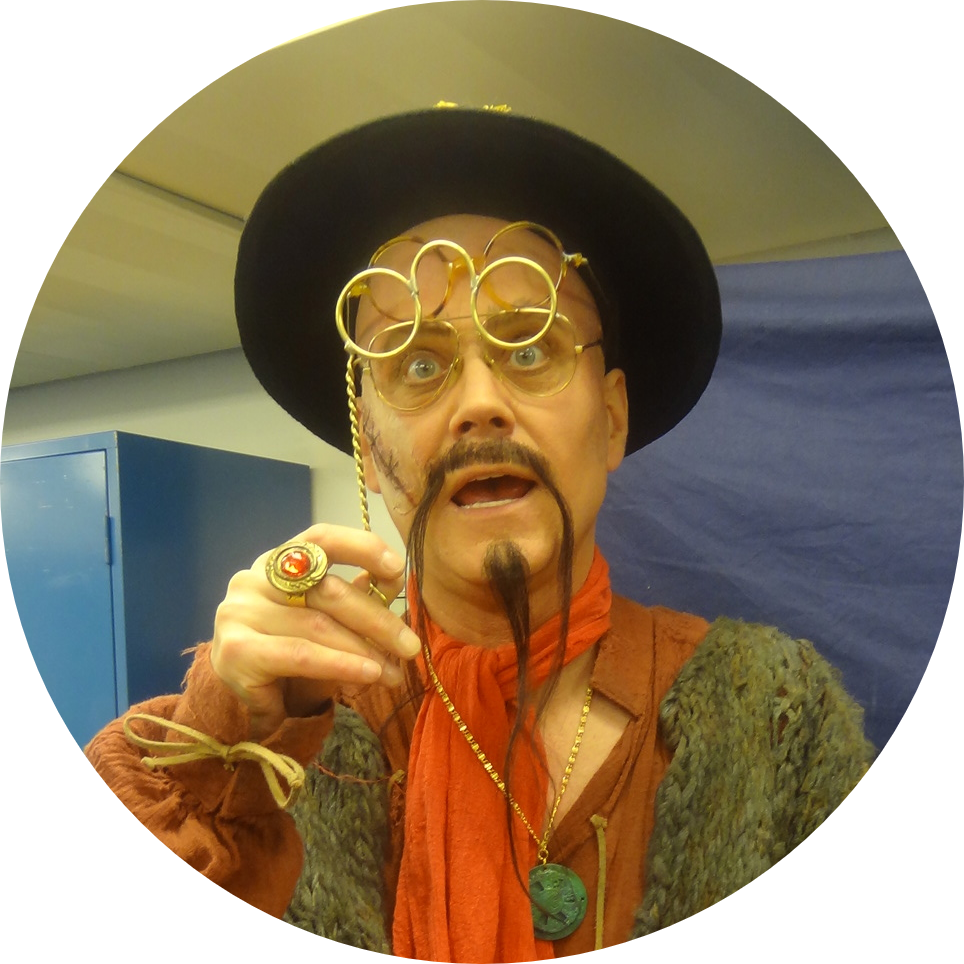
Experience
MY WEBPAGES- LINKS
https://www.youtube.com/@TOMMUC1
https://soundcloud.com/t-silverboerg-389212083
https://ko-fi.com/silvervoiceteacher
Lebenslauf und Gesangsphilosophie- DEUTSCH: https://www.mediafire.com/file/qzqxm2l6yj2pr7z/Webseite+DEUTSCH.pdf/file
Study at New England Conservatory of Music, Oberlin College Conservatory Of Music, Indiana University School Of Music, Hartt School of Music
FEES
FEE SCHEDULE- IN PERSON- Please inquire regarding my present location.
FEE SCHEDULE- ONLINE, PER HOUR: $100 per lesson. Package of five 1-hour lessons -10%.
FREE 30 MINUTE CONSULTATION OFFERED!!
Teaching languages- English/Deutsch
Skills
Singing Goals
Learn to sing through diligence, attention to natural physical function and mental preparation, freeing the vocal instrument and utilising useful mental processes to reach goals in a structured, simple, direct, and orderly fashion.
DICTION COACHING
I am also prepared and qualified to offer diction coaching for singers in English (native), German, Italian, and French. Native Russian speaker in house, if required!
MY BLOG AND ARTICLES
ko-fi.com/silvervoiceteacher
Singing is SIMPLE, but hard! All Styles taught!!!
'Canta come si parla'. 'Chi parla bene, canta bene'.
Nature controls mechanics, NOT the other way around.
WRITE ME